
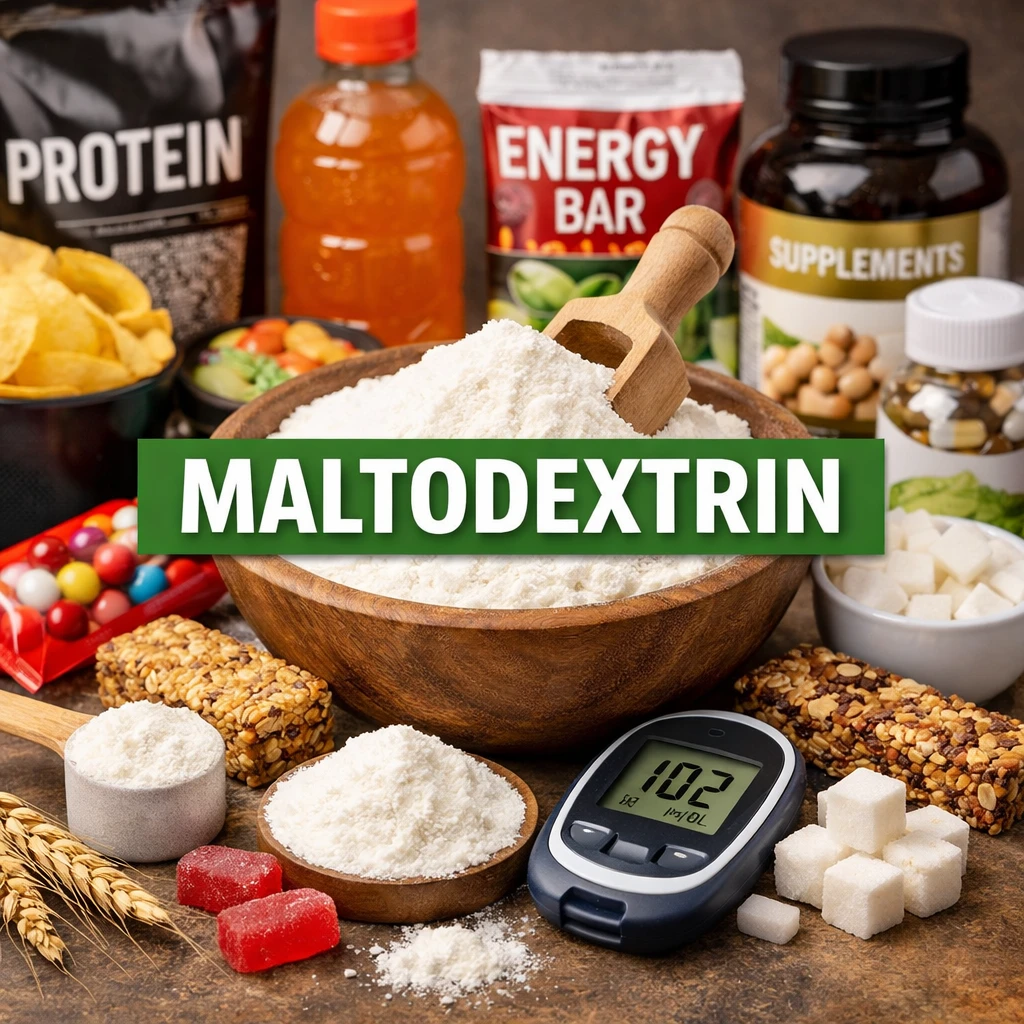
Maltodextrin is everywhere. It appears in many foods, packaged foods, supplements, sports drinks and snacks, and even products marketed as healthy. Many people consume maltodextrin daily without realizing it because it is a common food additive used in processed food.
As more people explore integrative health services, IV therapy, and nutrition focused wellness, understanding ingredients like maltodextrin matters. This article explains whether maltodextrin is good or bad for you, how it affects digestion, blood sugar, insulin, gut bacteria, and weight gain, and why some people may need to avoid it to support long term health.
Before deciding whether maltodextrin is bad or beneficial, it helps to understand what maltodextrin is and how manufacturers make maltodextrin.
Maltodextrin is a carbohydrate and a polysaccharide made through starch hydrolysis. Starch from corn, rice, potato, or wheat is broken down using an enzyme, producing short glucose units. The final product is a white powder that dissolves easily in liquids. Maltodextrin is considered a carbohydrate with no nutritional value because it provides calories without meaningful vitamins, minerals, or fiber.
Maltodextrin is generally used because it is inexpensive, shelf stable, and neutral in taste. It functions as a sweetener, thickener, stabilizer, or filler in many processed foods.
You will commonly see maltodextrin in:
Many foods contain maltodextrin because it improves texture, extends shelf life, and blends well with other ingredients.
Maltodextrin digestion explains its strong effect on blood sugar.
Once consumed, maltodextrin quickly enters the bloodstream. Digestive enzymes rapidly convert it into glucose, causing a spike in your blood sugar and insulin release. Although maltodextrin comes from starch, the body treats it more like refined sugar or table sugar.
Key digestion characteristics include:
Because maltodextrin raises glucose levels quickly, it may affect the balance of energy, insulin sensitivity, and metabolic health, especially in people with diabetes or insulin resistance.
Although maltodextrin has drawbacks, there are situations where maltodextrin may offer benefits.
For athletes or individuals engaging in intense training, maltodextrin may:
In clinical settings, maltodextrin is sometimes used to support patients who need easily digestible carbohydrates. Because maltodextrin is gluten free and easy to digest, it can be useful in short term medical nutrition strategies.
In these cases, the benefits of maltodextrin come from its rapid absorption rather than its nutritional value.
For most people, frequent maltodextrin consumption may create health concerns over time.
One major issue is blood sugar instability. Maltodextrin can cause sharp spikes in blood sugar and insulin, followed by crashes that increase hunger and cravings. Over time, this pattern may contribute to type 2 diabetes, insulin resistance, and metabolic dysfunction.
Research also suggests that maltodextrin may affect intestinal health and gut bacteria. Studies indicate maltodextrin could:
For people with diabetes, prediabetes, or digestive conditions, the effects of maltodextrin may outweigh any convenience it provides.
Maltodextrin can lead to weight gain when consumed regularly.
Because it is hidden in many processed foods, people may consume maltodextrin in small amounts repeatedly throughout the day. These calories add up quickly without creating fullness.
Weight related concerns include:
Since maltodextrin lacks fiber and nutritional value, it does not support healthy digestion or appetite control.
Maltodextrin is generally labeled gluten free, and maltodextrin is gluten-free even when derived from wheat because the gluten protein is removed during processing. The US Food and Drug Administration considers maltodextrin safe for the general population.
However, some people with gluten intolerance or celiac disease report symptoms. This may be due to trace amounts of gluten or individual sensitivity rather than maltodextrin itself.
People with sensitive digestion may notice:
Because food labels are not always clear about the source used to make maltodextrin, some individuals choose to avoid maltodextrin altogether.
Learning how to see maltodextrin on ingredient lists helps reduce unintentional intake.
Maltodextrin may appear as:
It is commonly used in processed foods marketed as low sugar, low fat, or performance enhancing. Sports drinks and snacks often contain maltodextrin as a quick energy source.
If you want to reduce or avoid maltodextrin, there are alternatives to maltodextrin that support better nutrition.
For energy support:
For thickening or texture:
These options digest more slowly and support gut health, glucose levels, and overall nutritional balance.
If you want a broader wellness perspective, explore our blog: Is Integrative Medicine Legitimate Understanding How Integrative Medicine In Springfield Supports Wellness to learn how integrative care connects nutrition, metabolism, and long term health.
Understanding whether maltodextrin is safe is one step toward better health. Personalized nutrition goes deeper than avoiding a single food additive.
At 417 Integrative Medicine, we help patients navigate blood sugar concerns, digestive health, inflammation, and weight management using a whole person approach. Through integrative therapies and nutrition guidance, we support informed choices that fit your lifestyle.
If you are ready to take an active role in your health, schedule a consultation and discover how smarter nutrition decisions support lasting wellness.


